Simulation & Product Engineering
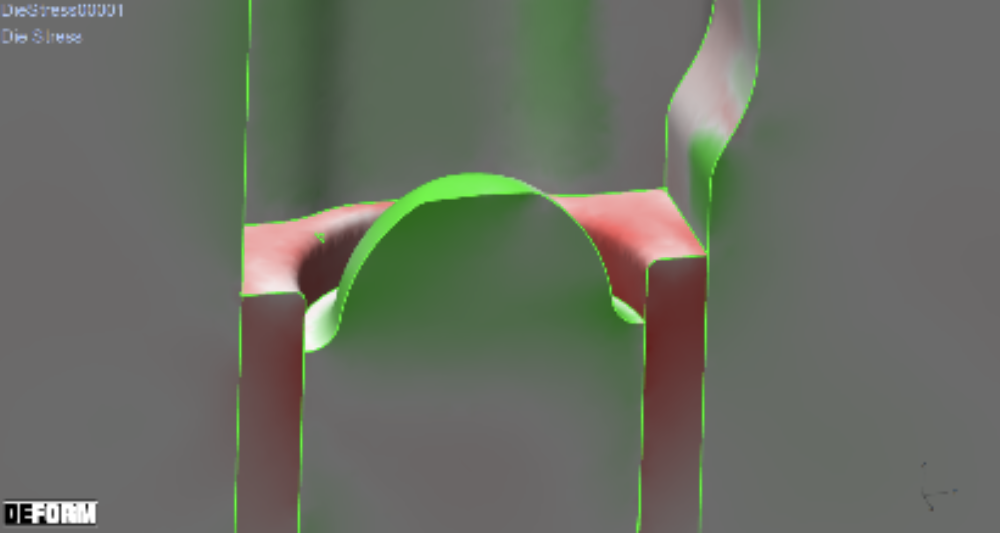
The JMS Engineering team uses DEFORM® simulation software to analyze tool performance long before tool steels are cut. By running simulations alongside the design process, our engineers continuously refine each concept until they develop an optimized, step-by-step metal-forming process. This improves the manufacturability of complex metal components in both deep-draw and progressive-die stamping applications.
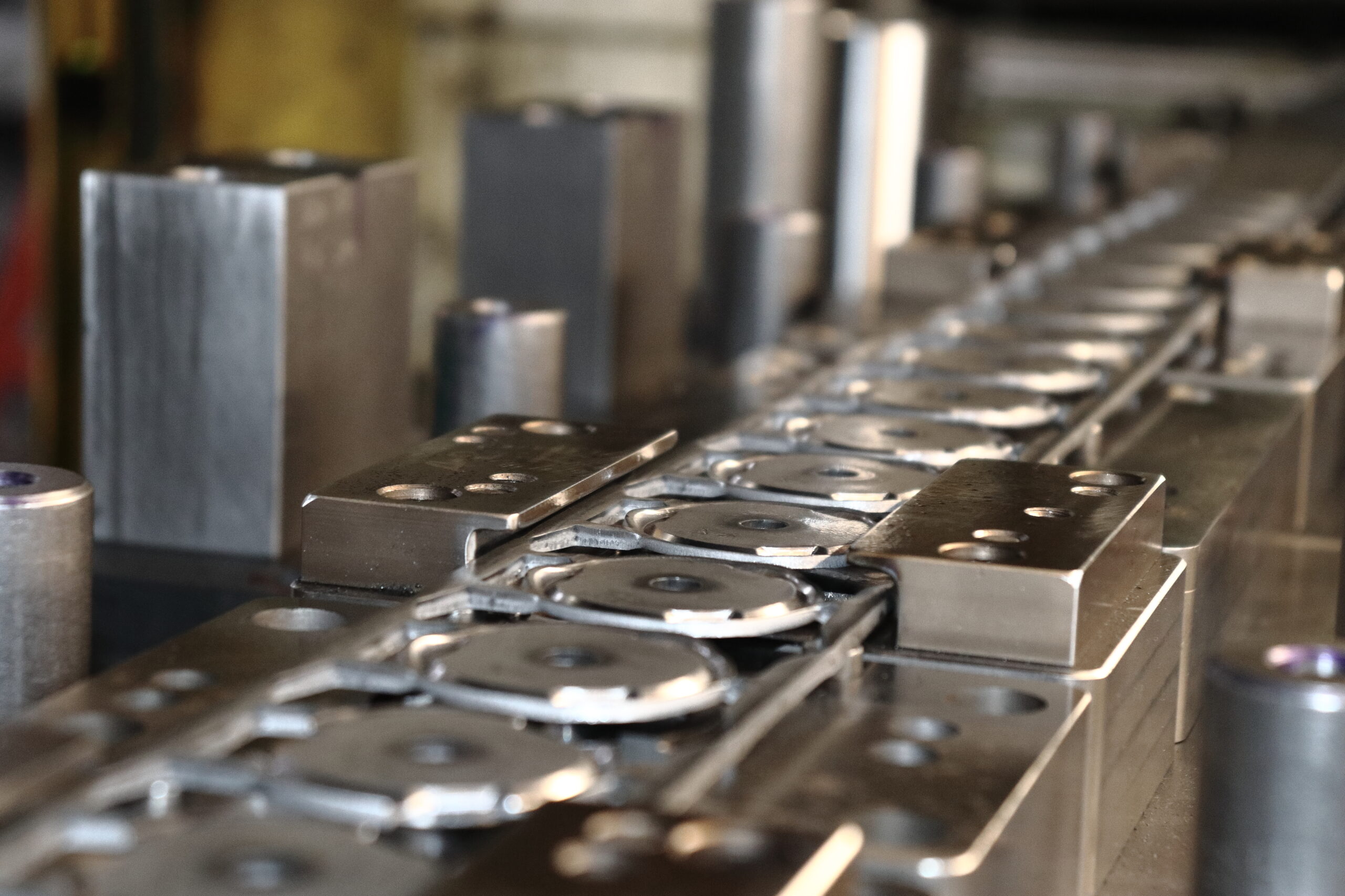
Because some stamping tools contain as many as 24 working stations, early validation is critical. Using this simulation allows our team to evaluate every forming stage and ensure that earlier operations do not create issues later in the station sequence. As a result, we build quality, reliable tooling from the start, which supports efficient product launches and consistency.
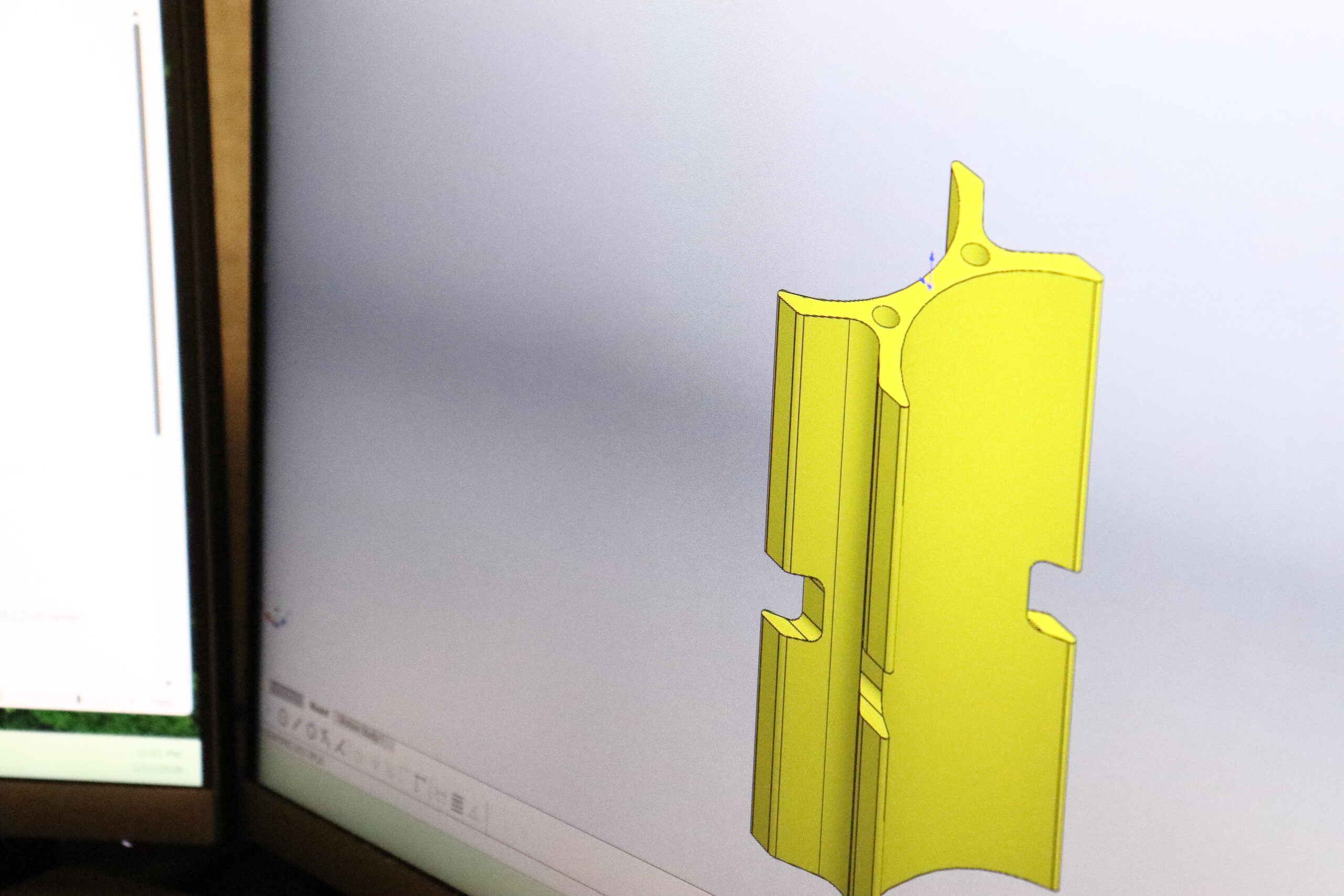
For traditional stampings, our engineers typically run simulations in DEFORM®’s 2D environment. However, when evaluating alternative metal-forming processes, such as extrusion or bulk forming (also known as forging), we leverage the platform’s advanced 3D simulation tools. In addition, DEFORM® helps to identify tooling hot spots, potential deflection points, and possible workpiece damage before production begins.
As a result, utilizing DEFORM® shortens tool development and PPAP (Production Part Approval Process) timelines while reducing overall tooling costs. Just as importantly, this technology allows JMS Incorporated engineers to coordinate with our customers in the early stages of their stamped product designs, ensuring part quality, manufacturability, and cost-efficient production.
PRODUCTION STARTS HERE
Have a new project in mind? Contact our team to find out how JMS Incorporated can add value to your unique design.